Virtual Anatomy project
3D Human anatomy in Unreal Engine 5, developed for nursing students
SCREENSHOTS.DIR
CLICK TO ENLARGE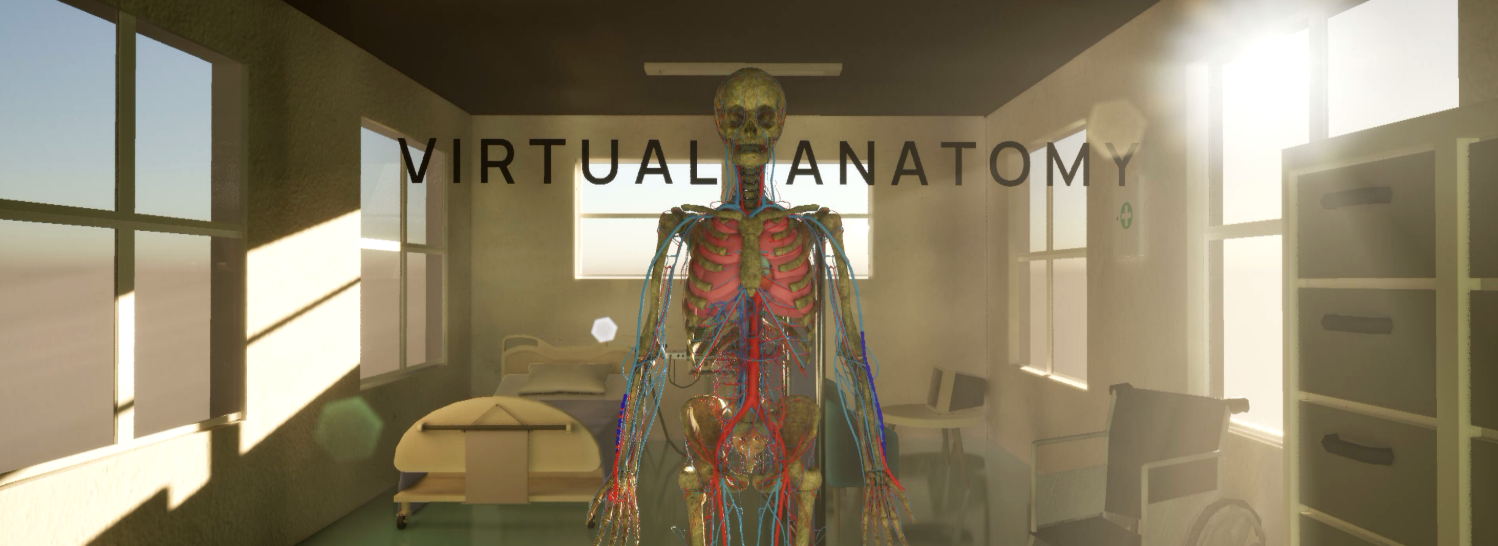
README.TXT
Virtual Anatomy: Engineering an Interactive 3D Medical Learning Tool
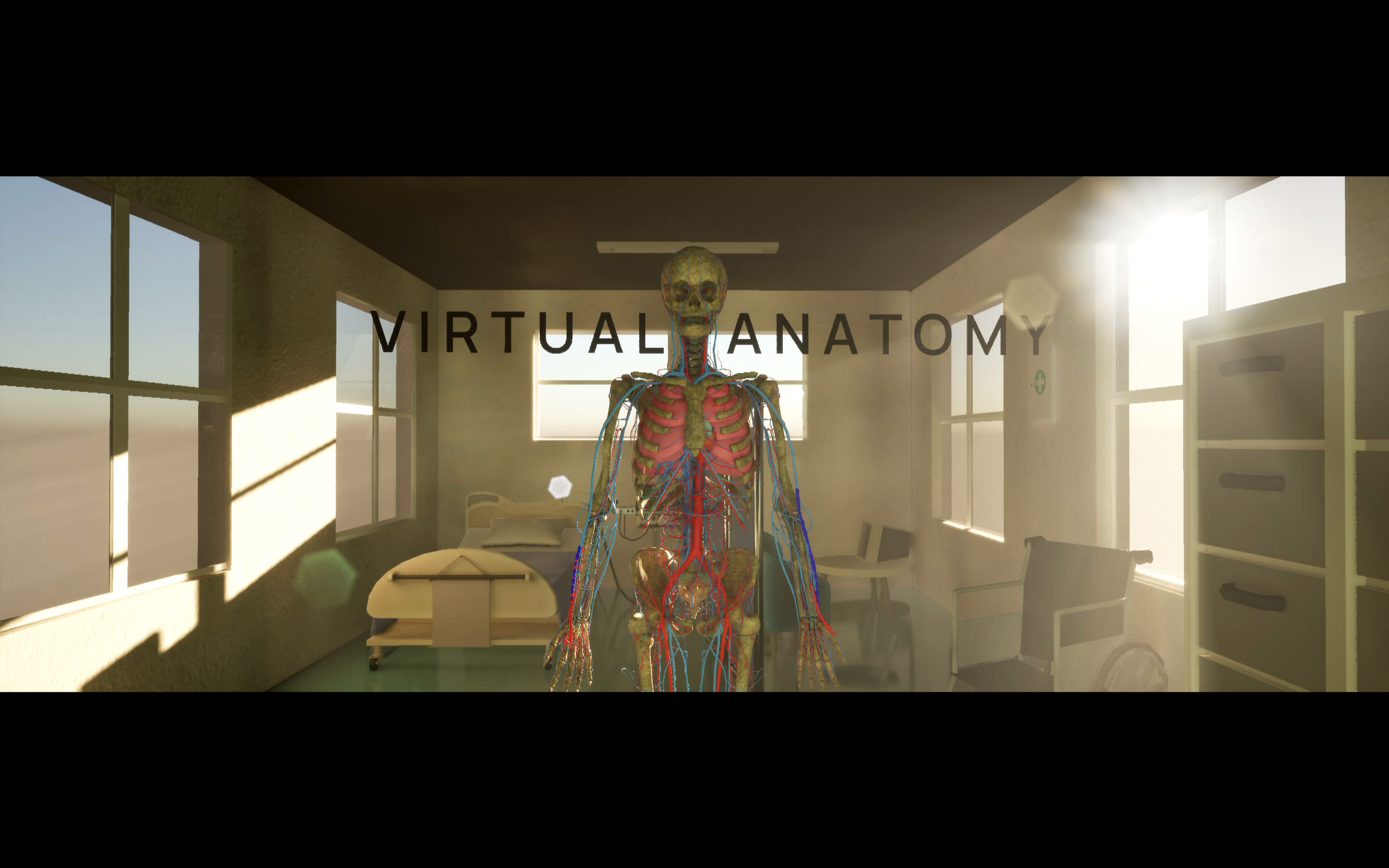
Project Overview
During my internship at the Joint Research Centre Zeeland (JRCZ), I played a pivotal role in engineering Virtual Anatomy, an immersive, 3D anatomical visualization application built in Unreal Engine specifically tailored for the Nursing program at HZ University of Applied Sciences.
The application bridges the gap between textbook theory and practical anatomy, empowering students to interactively dissect and explore a highly detailed, anatomically accurate 3D human model.
The Environment: JRCZ Data Science Lab
JRCZ serves as a collaborative innovation hub for top educational institutions in Zeeland. Operating within the Data Science Lab, I worked in a cross-disciplinary environment where developers, designers, and researchers converge to build data-driven tools and interactive 3D visualizations.
Core Objectives & Impact
My primary mission was to rescue an unstable build and engineer it into a stable, user-friendly MVP (Minimum Viable Product) ready for live demonstration and immediate integration into the nursing curriculum at HZ Vlissingen.
Key Application Features We Delivered:
- 360° Spatial Interaction: Full rotational, zoom, and pan controls for deep anatomical exploration.
- Dynamic Layer System: Granular controls to seamlessly toggle organ systems, muscles, and skeletal layers.
- Hierarchical Tree View: A structured navigation system grouping organs by their biological systems.
- Interactive Anatomical Labels: Real-time identification tool for learning complex body part terminology.
- Contextual Environment Switching: The ability to transition the 3D space between a minimalist focus mode and a realistic hospital setting.
- Cross-Section Slicer: A high-performance clipping tool allowing students to view internal anatomical cross-sections dynamically.
My Role: Stabilization & Feature Engineering
Working closely with my colleague Anan, my focus was squarely on system stabilization, critical bug resolution, and core feature engineering.
1. Engine Stabilization & Bug Resolution
When I joined, the application suffered from frequent crashing during packaged builds. I took ownership of stabilizing the core loop:
- Crushed Memory Leaks: Successfully diagnosed and resolved critical
EXCEPTION_ACCESS_VIOLATIONerrors that were breaking packaged builds. - Fortified the Codebase: Engineered robust null-checks and comprehensive logging systems throughout the C++ codebase to intercept and prevent runtime crashes.
- Rescued the Slicer Tool: Completely overhauled and fixed the broken cross-section slicer, restoring a highly-requested core feature.
- State Management: Stabilized interactions between the GameMode, User controllers, and UI components, disabling inherently unstable UI elements that degraded the UX.
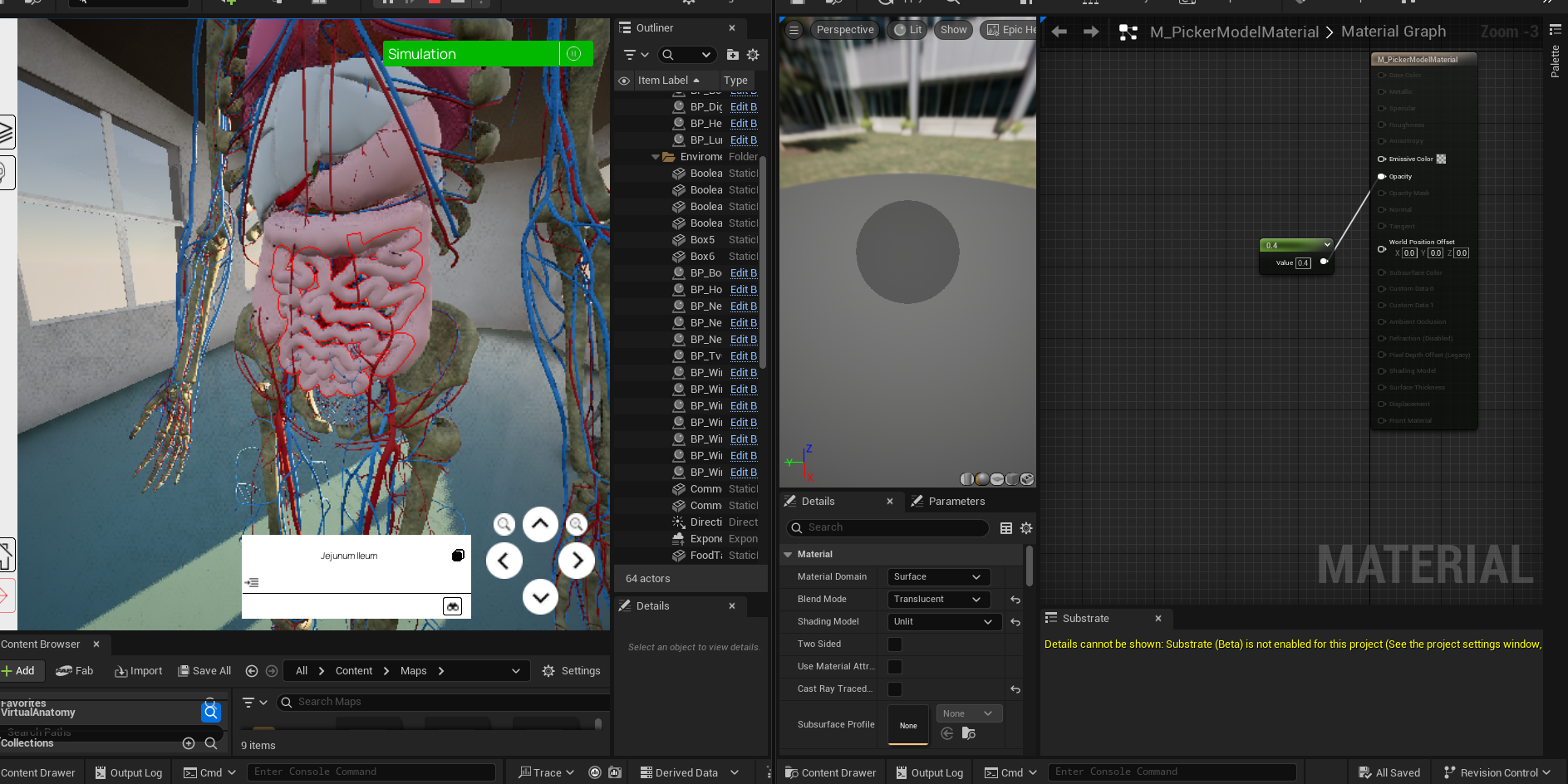 Debugging and resolving an issue with organ highlighting methods.
2. Feature Refinement
- Hierarchical Logic Fixes: Rewrote the tree view logic to ensure accurate parent-child relationships, guaranteeing organs displayed correctly under their respective biological systems.
- Enhanced Mesh Interaction: Engineered better mesh isolation and refined the zoom functionality, allowing for highly precise anatomical exploration.
- Camera Overhaul: Tuned camera controls and input settings to create a significantly more intuitive and frictionless navigation experience.
The Learning Curve: Zero to C++ in 6 Weeks
Coming into this role, Unreal Engine and C++ were entirely uncharted territory for me. I dedicated the first six weeks to an intensive, self-directed onboarding phase.
I aggressively consumed structured tutorials, reverse-engineered the existing, highly-complex project architecture, and experimented with Blueprint visual scripting alongside raw C++. This foundational grind was critical, allowing me to ultimately debug and resolve deep engine-level memory access violations just weeks later.
Mastered Tech Stack:
- Unreal Engine 5 (3D Visualization & Game Logic)
- C++ (Core performance and system architecture)
- Blueprints (Rapid UI and event prototyping)
- JetBrains Rider (Advanced C++ IDE environment)
- Git/Version Control (Managing large-scale binary and code assets)
Communication & Strategic Collaboration
Building software for healthcare education requires more than just code; it requires constant alignment with end-users.
- Agile Collaboration: Maintained daily coordination with my co-developer, engaging in pair programming to tackle complex C++ bugs, while syncing with designers to ensure UX consistency.
- Stakeholder Alignment: Participated in regular client reviews with HZ and JRCZ representatives to map functional requirements to real-world educational needs.
- Industry Mentorship: A major highlight was participating in a strategic brainstorming session with a former Philips Application Specialist and Product Manager. This expert consultation completely reshaped my perspective on educational software design, long-term product scaling, and strict healthcare technology standards.
"During one of our first meetings, a nursing instructor expressed the urgent need for this exact product. Seeing that genuine demand fundamentally shifted how I prioritized my development goals. stability and usability had to come first."
The Result: A Successful November Release
Through relentless debugging and targeted stabilization, we successfully delivered a stable, crash-free MVP to the HZ Vlissingen Nursing department on schedule. The tree navigation, the anatomical slicer, and the camera controls were fully functional, transforming an unstable prototype into a tangible educational tool.
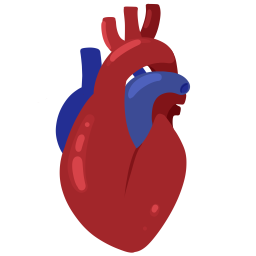 The official application icon, designed collaboratively within the Data Science Lab.
Core Takeaways & Professional Growth
What I Learned
- Navigating Massive Codebases: Developed a strong methodology for tracing errors and understanding unfamiliar architectures without feeling overwhelmed.
- The MVP Mindset: Learned the hard lesson that a stable, crash-free application with fewer features is infinitely more valuable than a feature-rich application that crashes.
- Managing Ambiguity: Faced with UI redesign tasks that lacked clear mockups, I learned to proactively demand design specifications and align expectations early, rather than wasting hours on ambiguous tasks.
Supervisor Feedback
"You've shown clear, impressive growth in working with Unreal Engine. You quickly parsed the project structure and consistently demonstrated the ability to independently analyze and solve complex problems, especially in bug fixing. Your technical contribution is highly robust. Continue building confidence in sharing your ideas and taking initiative."
Final Thoughts
My tenure at JRCZ was an incredible crucible of learning. The unique combination of steep technical challenges, vast creative freedom, and supportive mentorship provided the exact environment I needed to level up my engineering capabilities.
This project was engineered at the Joint Research Centre Zeeland in direct collaboration with HZ University of Applied Sciences.